
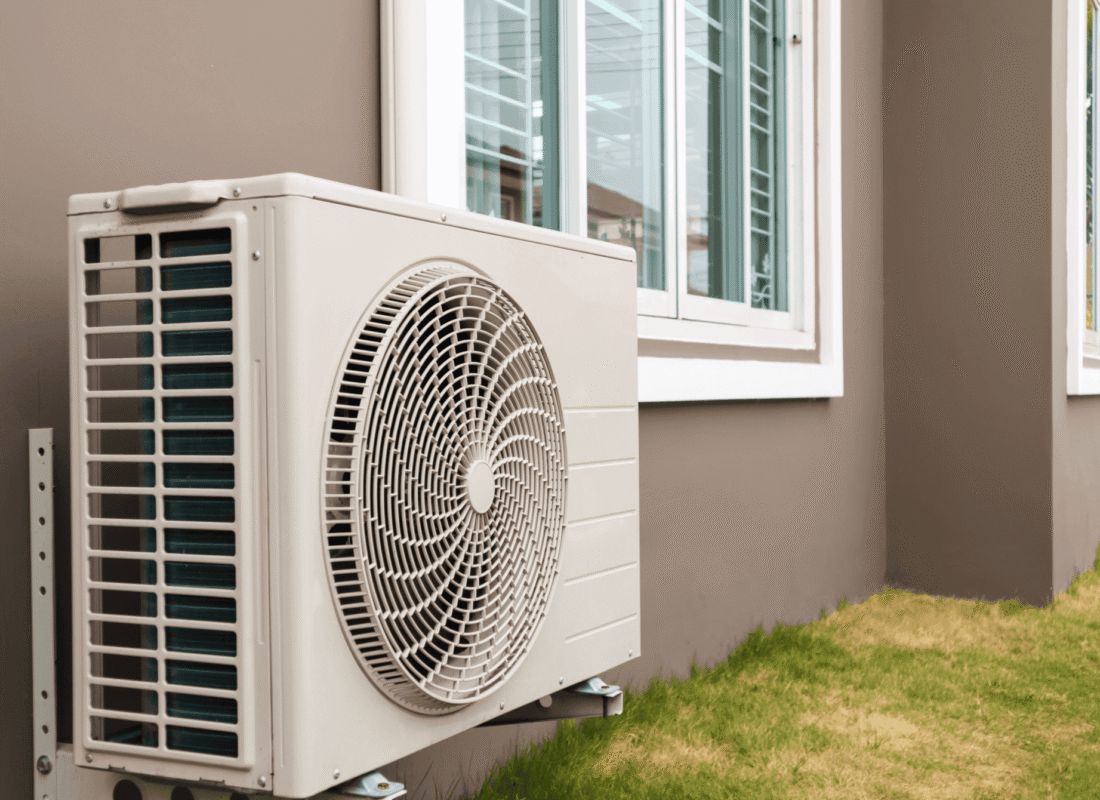
VRF System: Variable Refrigerant Flow Air Conditioning & HVAC
Variable Refrigerant Flow (VRF) systems represent a cutting-edge approach to air conditioning and HVAC, offering unparalleled energy efficiency and control. These systems, also known as VRV (Variable Refrigerant Volume) in some regions, provide both heating and cooling solutions. Often used in complex homes, they exemplify modern climate control.

Understanding VRF Systems

What is Variable Refrigerant Flow?
Variable Refrigerant Flow, or VRF, stands for variable refrigerant flowing, a sophisticated air conditioning system. The technology adjusts the amount of refrigerant flowing to individual indoor unit, based on the demand of each zone. VRF air conditioning ensures precise cooling and heating, improving energy efficiency in the entire system.
History and Invention of VRF Systems
The VRF system was invented by Daikin in Japan, revolutionising commercial air conditioning. This innovative approach allows for the simultaneous cooling and heating, significantly enhancing energy savings compared to traditional HVAC systems. The system uses an inverter compressor to optimise the amount of refrigerant flowing through refrigerant pipes.
VRV vs VRF: Key Differences
VRV and VRF systems are often used interchangeably; however, VRV, or Variable Refrigerant Volume, is a term trademarked by Daikin. Functionally, both VRV and VRF systems offer the same capabilities: adjusting the amount of refrigerant to meet the cooling and heating demands of multiple indoor units connected to one outdoor unit.
Components of a VRF System
Outdoor Units and Their Functions
The outdoor unit in a VRF system houses the compressor and heat exchanger, playing a crucial role in transferring heat. These units, sometimes featuring an inverter compressor, adjust their output to meet the demands of the indoor and outdoor units, ensuring optimal energy efficiency. An outdoor unit rated from x 30-160kw can be found.

Indoor Units: Types and Applications
VRF systems offer a variety of indoor unit options, including ducted and ductless models, to suit different applications. These individual indoor units can be controlled independently, providing customised comfort in each zone. This flexibility makes VRF air conditioning systems ideal for both residential and commercial settings.
The Role of Compressors in VRF Systems
The compressor is the heart of the VRF system, responsible for circulating the refrigerant flowing throughout the refrigerant pipes. Modern VRF systems often utilise an inverter compressor, which can vary its speed to precisely match the amount of refrigerant that is needed for cooling or heating, optimising energy efficiency and performance.
How does a VRF System Work
Refrigerant Flowing Mechanism
The core of how a VRF system works lies in its refrigerant flow mechanism. The compressor, usually an inverter compressor, circulates the refrigerant flowing through refrigerant pipes to both the outdoor unit and multiple indoor units. The amount of refrigerant flowing is meticulously controlled, ensuring that each indoor unit receives the precise amount needed to either heat or cool its designated zone. This precise control over refrigerant flow is a key characteristic of VRF technology, leading to significant energy efficiency.
Inverter Technology and Its Benefits
Inverter technology plays a vital role in the performance of a VRF system. The inverter compressor can modulate its speed, thereby adjusting the amount of refrigerant that flows through the system. This allows the VRF air conditioning to precisely match the amount of refrigerant to the heating and cooling demands of the space, eliminating the energy waste associated with traditional HVAC systems that operate at fixed speeds. VRF systems offer substantial energy savings because of their inverter technology.
Amount of Refrigerant Flowing and System Efficiency
The system efficiency of a VRF system is intrinsically linked to the amount of refrigerant flowing. The VRF system adjusts the amount of refrigerant flowing based on the demand of each zone. The VRF air conditioning continuously monitors the cooling and heating requirements, optimising the performance of the inverter compressor and adjusting the refrigerant flowing to match the exact demand, which maximises efficiency of the vrf units.
Advantages of VRF Air Conditioning Systems
Energy Efficiency and Cost-Effectiveness
VRF air conditioning systems offer exceptional energy efficiency, translating to significant cost savings over time. By precisely controlling the amount of refrigerant flowing to each individual indoor unit, these systems minimise energy waste. The use of an inverter compressor further enhances efficiency, making VRF systems a cost-effective choice compared to traditional HVAC and air-conditioning systems.
Flexible Design for Complex Homes
The flexibility of a VRF makes it an ideal choice for complex homes with varying cooling and heating needs. A VRF system allows for independent control of multiple indoor units, each with its own duct or ductless setup. VRF air conditioning accommodates different zones, offering customizable comfort throughout the home. A VRF unit or multiple VRF units can be scaled depending on the size and layout of the house.
Home Automation Integration
VRF systems can be integrated with home automation systems. This integration enables centralised control over the entire VRF air conditioning system, allowing homeowners to manage their indoor climate. Via smart home apps and interfaces, the amount of refrigerant and more, can be controlled. Integrating a VRF system with building management systems offers enhanced convenience, energy savings, and customised comfort, all accessible at the touch of a button.
Applications of VRF Systems
Residential Use: Ideal Homes for VRF
VRF systems offer unparalleled climate control, making them ideal for residential use, particularly in complex homes. The ability of the VRF system to provide tailored air conditioning and heating to different zones ensures comfort for all occupants. With independent control of multiple indoor units, each space can be set to its preferred temperature, maximising energy efficiency. A VRF unit or VRF air conditioning can be optimised for efficiency.
Commercial Applications and Benefits

Commercial buildings benefit greatly from VRF air conditioning systems.
These systems can handle a wide range of cooling and heating needs and adjust the amount of refrigerant based on the demand. VRF systems offer flexible design and can be scaled for large or small spaces. The energy savings achieved by VRF air conditioning translate to lower operational costs, and the inverter compressor ensures consistent performance. A VRF unit is optimal for buildings and apartments.
Heating Capabilities of VRF Systems
VRF systems are not just for cooling; they offer robust heating capabilities as well. A VRF system can operate as a heat pump, efficiently transferring heat from one area to another. Modern VRF systems offer heat recovery systems, where waste heat is captured and reused to heat other zones. This functionality makes VRF units an energy-efficient solution for year-round climate control.
Installation and Maintenance of VRF Systems
Installation Process: Key Considerations
The installation process of a VRF system requires careful planning and expertise. Factors such as the layout of the building, the length of refrigerant pipes, and the placement of indoor and outdoor units must be considered. Correct sizing is crucial to ensure optimal performance. An x 30-160kw unit is ideal for installation. Working with a qualified HVAC technician ensures a smooth installation.
Regular Maintenance for Optimal Performance
Regular maintenance is essential to keep a VRF air conditioning system operating at peak efficiency. Maintenance should include cleaning or replacing air filters in the indoor units, inspecting the refrigerant pipes for leaks, and checking the electrical connections. Scheduling routine maintenance with a qualified technician prevents costly repairs and prolongs the lifespan of the VRF unit.
Common Issues and Troubleshooting
Like any mechanical system, VRF air conditioning can experience issues over time. Common problems include refrigerant leaks, compressor failures, and control system malfunctions. Troubleshooting often involves checking error codes displayed on the thermostat or control panel. Addressing problems promptly and seeking professional assistance helps maintain the system and prevent long-term downtime, maintaining energy efficiency.

Contact Project Air today. Let us be your trusted partner in creating spaces where ducted air conditioning and design coexist in perfect harmony. Your dream home is just a call away!
Project Air are a ARCtick licensed technician. Refrigerant gases used in air conditioning and refrigeration systems must be handled and disposed of safely and lawfully.
Excellent overview of VRF air conditioning systems.
The article does a great job explaining how variable refrigerant flow technology get better energy efficiency while providing precise temperature control across multiple zone.
I also appreciated the clear explanation of components like inverter compressors & the difference between VRV & VRF system.
With growing demand for smarter & more energy efficient HVAC (Heating, Ventilation, and Air Conditioning) solutions, VRF Systems are definitely becoming and ideal choice for both residential & commercial buildings.
Thanks for sharing such a detailed & informative guide!